Ready to explore narrative intelligence?
This is a guided audio walkthrough of the Narrative Agent.
🎧 Headphones recommended for the best experience
What if? Why not.
Strategy. Storytelling. Innovation. AI builds. Narrative systems.
The Work
How do you align 20+ units during the ChatGPT moment?
+Built the messaging framework that kept Cisco coherent. Twenty business units. Dozens of executives. Hundreds of content touchpoints. Shifted the conversation from "what AI is" to "what AI does for humans." Became the foundation for Cisco's AI Readiness Index and cisco.com/ai.
Can storytelling instincts become software?
+Every storyteller develops instincts: know what matters, find what's missing, spot what's coming.
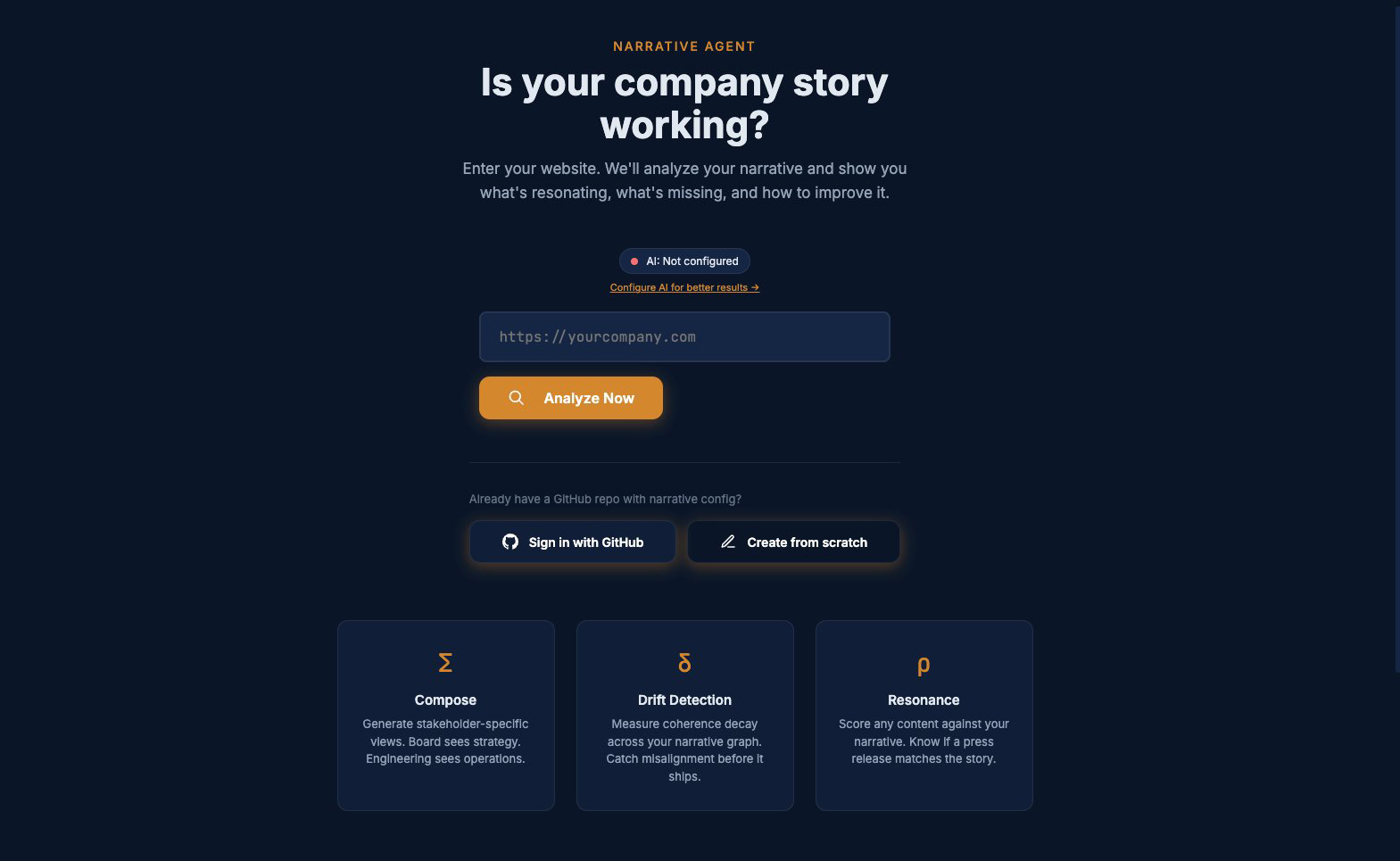
I built three tools to test whether those instincts could become software. Then I put them together.
The Narrative Agent reads an organization's full story, finds gaps, spots misalignment, and shows what's actually missing.
What if you could keep up with agent changes?
+Co-founded Principal AI. We're coding differently now, we need to see and understand it differently too. Gary Tan called it "catnip for the polymath designer-coder."
What happens when agency thinking meets global comms?
+Brought agency thinking to Cisco's Employee Communications. Announcements became campaigns. Boring became delightfully engaging. 75,000 employees through digital transformation, return-to-office, constant change. They responded like customers do when you respect them.
First say it straight. Then say it great.
+Agency training that never left. Once you nail the truth, you've earned the fun part. Campaigns, experiences, the unexpected.
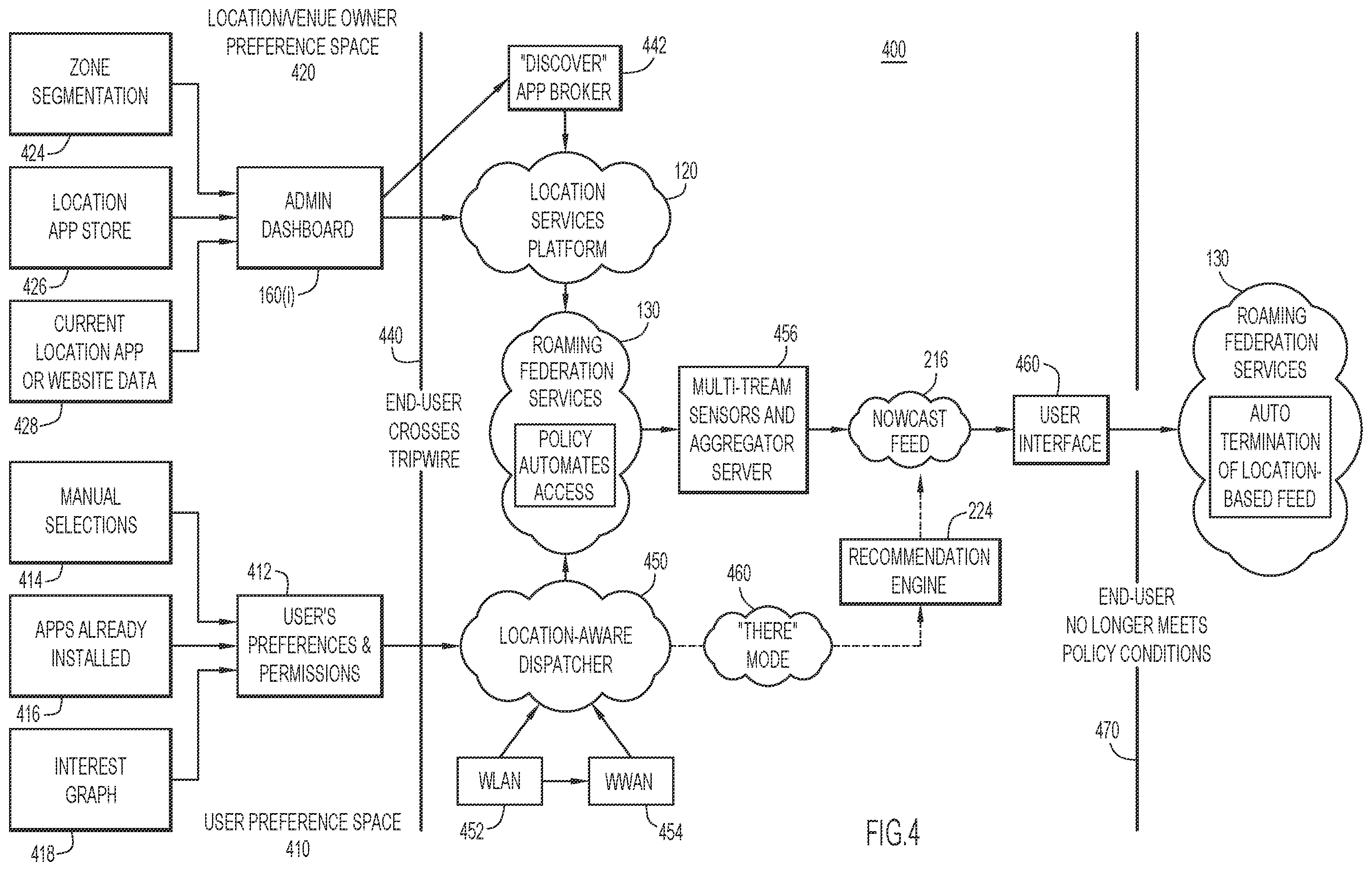
What if location unlocked everything?
+Two issued. Three pending. Two defensive publications.
Webex Orbit (US 11,729,584) was first. I conceived it in 2019 inside Cisco's Innovate Everywhere contest. Designed the system, wrote the disclosure, did the UX. Issued 2023.
Since then: authentication, video collaboration, low-code security, conversation comprehension. Same Cisco innovation team across four years.